Get Brick Caulking in Antioch, TN
Local contractors in Antioch, TN, can handle brick caulking to prevent water damage, improve insulation, and restore the appearance of brickwork on homes and buildings.
Brick caulking services are an important consideration for property owners in Antioch, TN, seeking to maintain the integrity and appearance of their buildings. Properly applied caulking helps prevent water intrusion, reduces air leaks, and enhances the overall durability of brick structures. Whether planning a renovation, addressing existing issues, or simply preparing for long-term upkeep, exploring local contractors experienced in brick caulking can provide valuable insights and solutions tailored to the area's climate and building styles.
For those comparing options in Antioch, understanding the range of services available can assist in making informed decisions for property maintenance projects. Connecting with experienced local service providers ensures access to expertise that aligns with specific needs, whether for minor repairs or larger-scale improvements. Continuing to explore local contractors can help property owners identify the right professionals to handle their brick caulking work reliably and effectively.
- Brick Caulking - needed when sealing gaps around brickwork to prevent water intrusion and improve energy efficiency.
- Brick Repair - required after mortar deterioration or damage from weather events in neighborhoods like Antioch.
- Repointing Services - essential for restoring the structural integrity of brick walls in historic or aging buildings.
- Crack Sealing - necessary to address small cracks that could lead to larger issues if left unaddressed in brick facades.
- Brick Restoration - sought after when restoring or maintaining the appearance of brick exteriors in residential or commercial properties.
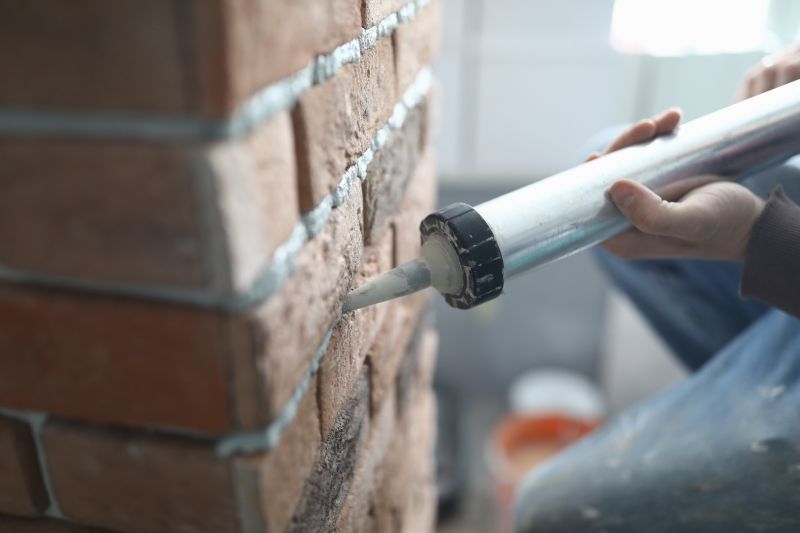
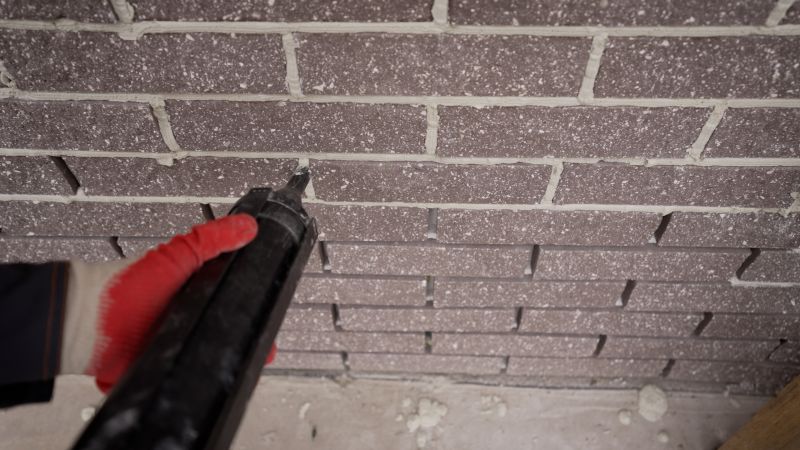
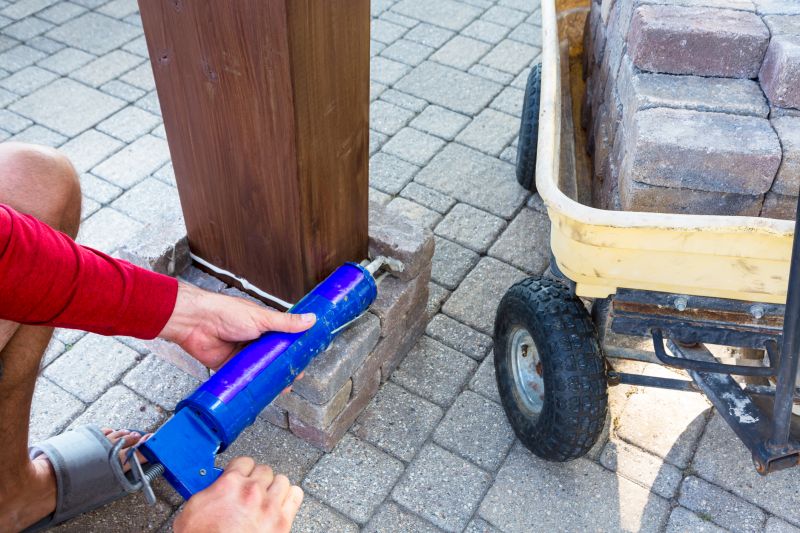
Brick caulking services involve applying a specialized sealant to the joints and gaps between bricks and other masonry surfaces. This process helps create a weather-tight barrier that prevents water infiltration, reduces drafts, and maintains the structural integrity of the property. Proper caulking not only enhances the appearance of brickwork by providing clean, straight lines but also helps protect the underlying materials from damage caused by moisture and temperature fluctuations. Skilled contractors use high-quality materials and precise techniques to ensure the sealant adheres well and lasts over time, offering a durable solution to common masonry concerns.
One of the primary problems addressed by brick caulking is water leakage. Over time, the mortar joints and gaps between bricks can develop cracks or deteriorate, allowing rainwater or melting snow to seep into the walls. This can lead to issues such as mold growth, wood rot, and even structural weakening if left unaddressed. Caulking helps to fill these vulnerable spaces, preventing water from penetrating the exterior walls. Additionally, it can reduce drafts and improve energy efficiency by sealing air leaks around brick facades, which is especially beneficial in maintaining comfortable indoor temperatures.
Brick caulking is commonly used on residential properties, including single-family homes, townhouses, and apartment buildings with brick exteriors. It is also frequently applied on commercial buildings that feature brick facades, such as retail stores, office complexes, and institutional structures. These properties often have exposed brickwork that requires periodic maintenance to preserve their appearance and structural soundness. Homeowners and property managers typically seek caulking services when noticing signs of deterioration, such as cracked mortar joints, water stains on interior walls, or drafts around windows and doors with brick surrounds.
Understanding when to consider brick caulking can help prevent costly repairs and maintain the value of a property. If bricks or mortar joints appear cracked, crumbling, or stained from water intrusion, it may be time to have a professional evaluate the need for sealing. Similarly, if drafts are felt around brick features or if there is evidence of moisture damage inside the building, caulking can provide an effective solution. Local contractors experienced in masonry maintenance can assess the condition of brickwork, recommend appropriate sealing methods, and help ensure the longevity and appearance of the property’s exterior.
The overview below groups typical Brick Caulking projects into broad ranges so you can see how smaller, mid-sized, and larger jobs often compare in Antioch, TN.
In many markets, a large share of routine jobs stays in the lower and middle ranges, while only a smaller percentage of projects moves into the highest bands when the work is more complex or site conditions are harder than average.
Smaller Repairs - Typical costs for minor brick caulking repairs in Antioch and nearby areas range from $250 to $600. Many routine jobs fall within this range, especially for localized cracks or small sealing projects. Larger or more complex repairs can push costs higher but are less common.
Standard Re-Caulking - Re-caulking existing brick joints generally costs between $600 and $1,200. Most projects in this category are straightforward and fall into the middle of this range, with fewer jobs reaching the higher end for multiple or extensive areas.
Full Sealant Replacement - Complete removal and replacement of old caulking can range from $1,200 to $3,000, depending on the size of the area and the condition of the bricks. Many projects in this tier are larger but still fall within this typical range, with some complex jobs exceeding it.
Custom or Large-Scale Projects - Large, custom brick caulking projects, such as multi-story buildings or extensive repairs, can cost $3,000 or more. These jobs are less frequent and tend to be on the higher end of the cost spectrum, reflecting their scope and complexity.
Actual totals will depend on details like access to the work area, the scope of the project, and the materials selected, so use these as general starting points rather than exact figures.
Brick Repair and Restoration - Professionals experienced in repairing and restoring damaged brickwork often utilize similar tools and planning strategies as those used in caulking to ensure structural integrity and aesthetic appeal.
Masonry Pointing - Masonry pointing involves filling and sealing joints between bricks, requiring skills and materials comparable to those used in caulking to prevent water infiltration and improve appearance.
Exterior Wall Waterproofing - Applying waterproofing coatings to exterior walls involves surface preparation and sealing techniques similar to brick caulking to protect structures from moisture damage.
Concrete Joint Sealing - Sealing joints in concrete surfaces shares techniques with brick caulking, including the use of specialized sealants to prevent water penetration and enhance durability.
Stone Veneer Installation - Installing stone veneers often requires precise sealing and planning similar to brick caulking to ensure a secure and weather-resistant finish.
Foundation Crack Repair - Repairing cracks in foundations involves sealing and planning processes akin to brick caulking to maintain structural stability and prevent water intrusion.
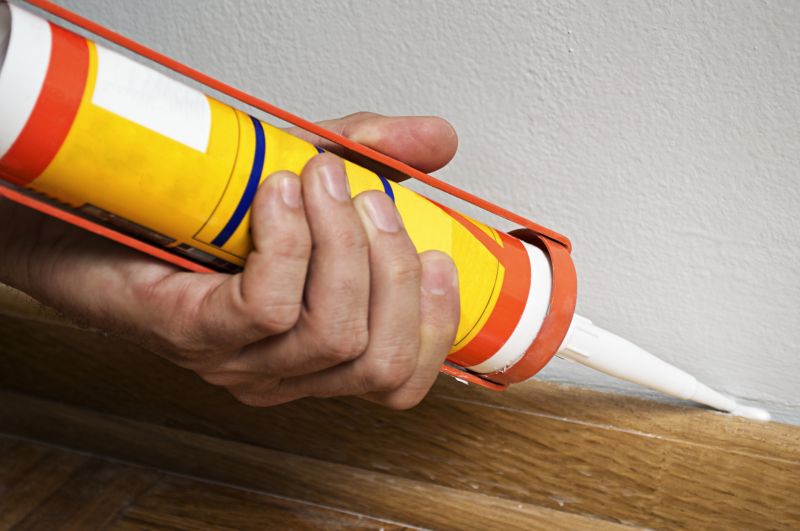
When evaluating contractors for brick caulking services, it’s important to consider their experience with projects similar to yours. Homeowners should seek out service providers who have a proven track record of handling brick caulking work on residential properties comparable in size and style. This ensures that the contractor understands the specific requirements and challenges associated with brickwork, leading to a more effective and durable result. Asking for examples of past projects or references from previous clients can provide insight into their expertise and familiarity with the type of work needed.
Clear, written expectations are essential to avoid misunderstandings and ensure that both parties are aligned on the scope of work. Homeowners should look for service providers who can offer detailed descriptions of the services they will perform, including materials used, the process involved, and any preparations or follow-up steps. Having these details in writing helps establish transparency and provides a reference point throughout the project. This clarity allows homeowners to compare different local contractors more effectively and ensures that everyone is on the same page before work begins.
Reputable references and effective communication are key factors in choosing the right brick caulking professional. Reliable service providers should be able to supply references from satisfied clients or showcase a history of completed projects in the area. Good communication throughout the process-prompt responses, clear explanations, and openness to questions-can make a significant difference in the overall experience. While this site introduces homeowners to local options, it does not perform the work itself; instead, it helps connect residents with qualified service providers who can handle the project professionally and reliably.
Property owners in Antioch, TN use Brick Caulking services for practical projects around their homes and businesses. This guide focuses on everyday jobs and straightforward project options.
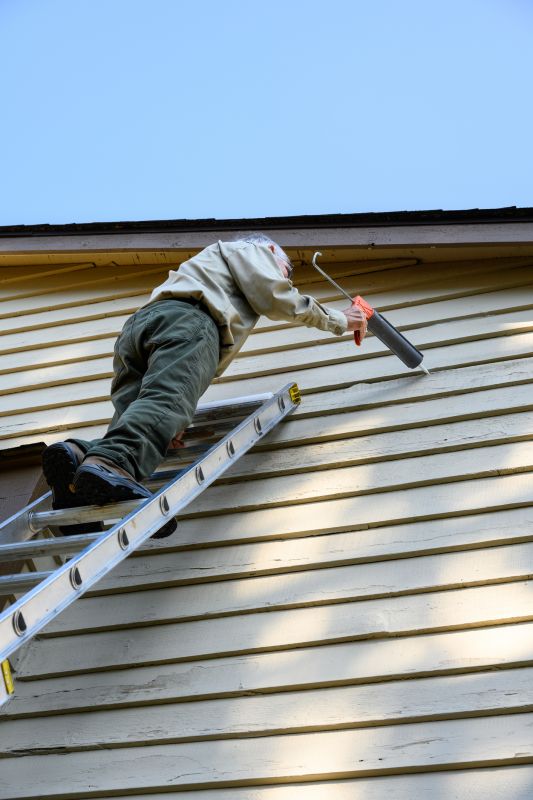
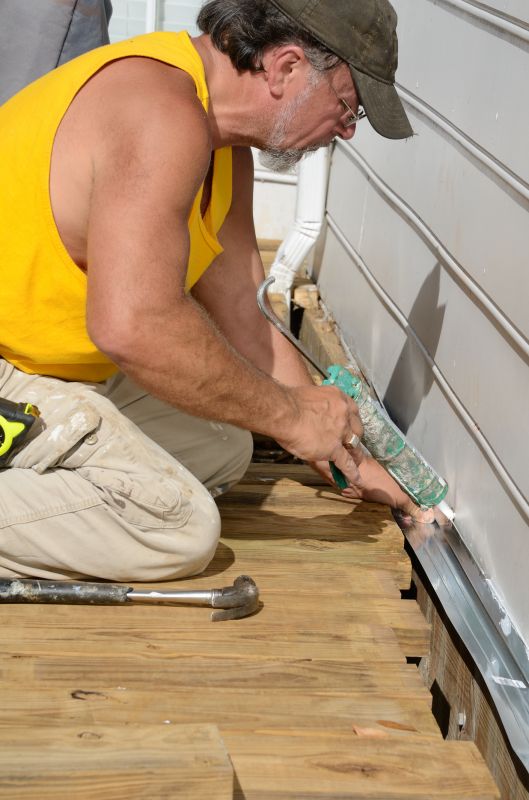
Brick caulking services are often needed when property owners in Antioch, TN notice gaps or cracks around their brickwork that could allow moisture to seep in. These issues can occur over time due to weather changes, settling foundations, or minor shifts in the structure. Replacing or repairing old or deteriorated caulking helps maintain the integrity of the brick surfaces and prevents potential water damage, which is especially important for preserving the appearance and value of homes and commercial buildings.
Property owners might also seek brick caulking services after noticing signs of deterioration, such as crumbling mortar or visible gaps between bricks. These common problems can lead to drafts, increased energy costs, or further structural issues if not addressed promptly. Local contractors experienced in brick caulking can provide the necessary repairs to help keep buildings sealed and protected against the elements, ensuring the longevity and safety of the property.
What is brick caulking used for? Brick caulking is used to seal gaps and joints in brickwork, preventing water infiltration and improving the overall durability of the structure.
How do I know if my brick joints need re-caulking? Signs include visible cracks, gaps, or deterioration around brick joints, especially after weather events or over time.
What types of caulking materials are suitable for brickwork? Common options include polyurethane, silicone, and hybrid sealants designed specifically for masonry applications.
Can brick caulking be applied to both interior and exterior surfaces? Yes, brick caulking can be used on both interior and exterior brick surfaces to provide a weather-tight seal.
How do local contractors typically prepare brick surfaces before caulking? They usually clean the area thoroughly, remove old or damaged caulk, and ensure the surface is dry and free of debris before applying new caulking.
Brick Caulking for Exterior Maintenance - Property owners can improve the weather resistance of their brick walls by sealing gaps and cracks to prevent water infiltration.
Sealing Brick Joints for Energy Efficiency - Proper caulking around brickwork helps maintain indoor temperature control and reduces drafts.
Preparing for Seasonal Changes - Applying fresh caulk to brick surfaces can protect against damage caused by temperature fluctuations and moisture.
Restoring Old Brickwork - Local contractors can help refresh and seal aged brick surfaces to enhance durability and appearance.
If you are thinking about Brick Caulking for a property in Antioch, TN, this guide is meant to help you understand the work, the typical project types, and how different options might fit your plans.
When you are ready, you can use the quote form on this page to share a few details about your project. From there, local pros can review the basics and respond with options that match what you have in mind.